Beloved Pharaoh. Born: June 3rd., 2003 – Died: June 19th., 2017. A very special dog that will never be forgotten.
Dogs live in the present – they just are! Dogs make the best of each moment uncluttered by the sorts of complex fears and feelings that we humans have. They don’t judge, they simply take the world around them at face value. Yet they have been part of man’s world for an unimaginable time, at least 30,000 years. That makes the domesticated dog the longest animal companion to man, by far!
As man’s companion, protector and helper, history suggests that dogs were critically important in man achieving success as a hunter-gatherer. Dogs ‘teaching’ man to be so successful a hunter enabled evolution, some 20,000 years later, to farming, thence the long journey to modern man. But in the last, say 100 years, that farming spirit has become corrupted to the point where we see the planet’s plant and mineral resources as infinite. Mankind is close to the edge of extinction, literally and spiritually.
Dogs know better, much better! Time again for man to learn from dogs!
The science of looking at other worlds is amazing.
With so much going wrong, primarily politically, in the world, I just love turning to news about distant places; and by distant I mean hugely so. That is why I am republishing this item from The Conversation about other stars.
ooOOoo
NASA’s Pandora telescope will study stars in detail to learn about the exoplanets orbiting them
Exoplanets are worlds that orbit other stars. They are very difficult to observe because – seen from Earth – they appear as extremely faint dots right next to their host stars, which are millions to billions of times brighter and drown out the light reflected by the planets. The Pandora telescope will join and complement NASA’s James Webb Space Telescope in studying these faraway planets and the stars they orbit.
I am an astronomy professor at the University of Arizona who specializes in studies of planets around other stars and astrobiology. I am a co-investigator of Pandora and leading its exoplanet science working group. We built Pandora to shatter a barrier – to understand and remove a source of noise in the data – that limits our ability to study small exoplanets in detail and search for life on them.
Observing exoplanets
Astronomers have a trick to study exoplanet atmospheres. By observing the planets as they orbit in front of their host stars, we can study starlight that filters through their atmospheres.
These planetary transit observations are similar to holding a glass of red wine up to a candle: The light filtering through will show fine details that reveal the quality of the wine. By analyzing starlight filtered through the planets’ atmospheres, astronomers can find evidence for water vapor, hydrogen, clouds and even search for evidence of life. Researchers improved transit observations in 2002, opening an exciting window to new worlds.
When a planet passes in front of its star, astronomers can measure the dip in brightness, and see how the light filtering through the planet’s atmosphere changes.
For a while, it seemed to work perfectly. But, starting from 2007, astronomers noted that starspots – cooler, active regions on the stars – may disturb the transit measurements.
In 2018 and 2019, then-Ph.D. student Benjamin V. Rackham, astrophysicist Mark Giampapa and I published a series of studies showing how darker starspots and brighter, magnetically active stellar regions can seriously mislead exoplanets measurements. We dubbed this problem “the transit light source effect.”
Most stars are spotted, active and change continuously. Ben, Mark and I showed that these changes alter the signals from exoplanets. To make things worse, some stars also have water vapor in their upper layers – often more prominent in starspots than outside of them. That and other gases can confuse astronomers, who may think that they found water vapor in the planet.
In our papers – published three years before the 2021 launch of the James Webb Space Telescope – we predicted that the Webb cannot reach its full potential. We sounded the alarm bell. Astronomers realized that we were trying to judge our wine in light of flickering, unstable candles.
The birth of Pandora
For me, Pandora began with an intriguing email from NASA in 2018. Two prominent scientists from NASA’s Goddard Space Flight Center, Elisa Quintana and Tom Barclay, asked to chat. They had an unusual plan: They wanted to build a space telescope very quickly to help tackle stellar contamination – in time to assist Webb. This was an exciting idea, but also very challenging. Space telescopes are very complex, and not something that you would normally want to put together in a rush.
Pandora breaks with NASA’s conventional model. We proposed and built Pandora faster and at a significantly lower cost than is typical for NASA missions. Our approach meant keeping the mission simple and accepting somewhat higher risks.
What makes Pandora special?
Pandora is smaller and cannot collect as much light as its bigger brother Webb. But Pandora will do what Webb cannot: It will be able to patiently observe stars to understand how their complex atmospheres change.
By staring at a star for 24 hours with visible and infrared cameras, it will measure subtle changes in the star’s brightness and colors. When active regions in the star rotate in and out of view, and starspots form, evolve and dissipate, Pandora will record them. While Webb very rarely returns to the same planet in the same instrument configuration and almost never monitors their host stars, Pandora will revisit its target stars 10 times over a year, spending over 200 hours on each of them. https://www.youtube.com/embed/Inxe5Bgarj0?wmode=transparent&start=0 NASA’s Pandora mission will revolutionize the study of exoplanet atmospheres.
With that information, our Pandora team will be able to figure out how the changes in the stars affect the observed planetary transits. Like Webb, Pandora will observe the planetary transit events, too. By combining data from Pandora and Webb, our team will be able to understand what exoplanet atmospheres are made of in more detail than ever before.
After the successful launch, Pandora is now circling Earth about every 90 minutes. Pandora’s systems and functions are now being tested thoroughly by Blue Canyon Technologies, Pandora’s primary builder.
About a week after launch, control of the spacecraft will transition to the University of Arizona’sMulti-Mission Operation Center in Tucson, Arizona. Then the work of our science teams begins in earnest and we will begin capturing starlight filtered through the atmospheres of other worlds – and see them with a new, steady eye.
Over the course of 2025, deepfakes improved dramatically. AI-generated faces, voices and full-body performances that mimic real people increased in quality far beyond what even many experts expected would be the case just a few years ago. They were also increasingly used to deceive people.
For many everyday scenarios — especially low-resolution video calls and media shared on social media platforms — their realism is now high enough to reliably fool nonexpert viewers. In practical terms, synthetic media have become indistinguishable from authentic recordings for ordinary people and, in some cases, even for institutions.
And this surge is not limited to quality. The volume of deepfakes has grown explosively: Cybersecurity firm DeepStrike estimates an increase from roughly 500,000 online deepfakes in 2023 to about 8 million in 2025, with annual growth nearing 900%.
I’m a computer scientist who researches deepfakes and other synthetic media. From my vantage point, I see that the situation is likely to get worse in 2026 as deepfakes become synthetic performers capable of reacting to people in real time.
Dramatic improvements
Several technical shifts underlie this dramatic escalation. First, video realism made a significant leap thanks to video generation models designed specifically to maintain temporal consistency. These models produce videos that have coherent motion, consistent identities of the people portrayed, and content that makes sense from one frame to the next. The models disentangle the information related to representing a person’s identity from the information about motion so that the same motion can be mapped to different identities, or the same identity can have multiple types of motions.
These models produce stable, coherent faces without the flicker, warping or structural distortions around the eyes and jawline that once served as reliable forensic evidence of deepfakes.
Second, voice cloning has crossed what I would call the “indistinguishable threshold.” A few seconds of audio now suffice to generate a convincing clone – complete with natural intonation, rhythm, emphasis, emotion, pauses and breathing noise. This capability is already fueling large-scale fraud. Some major retailers report receiving over 1,000 AI-generated scam calls per day. The perceptual tells that once gave away synthetic voices have largely disappeared.
Third, consumer tools have pushed the technical barrier almost to zero. Upgrades from OpenAI’s Sora 2 and Google’s Veo 3 and a wave of startups mean that anyone can describe an idea, let a large language model such as OpenAI’s ChatGPT or Google’s Gemini draft a script, and generate polished audio-visual media in minutes. AI agents can automate the entire process. The capacity to generate coherent, storyline-driven deepfakes at a large scale has effectively been democratized.
This combination of surging quantity and personas that are nearly indistinguishable from real humans creates serious challenges for detecting deepfakes, especially in a media environment where people’s attention is fragmented and content moves faster than it can be verified. There has already been real-world harm – from misinformation to targeted harassment and financial scams – enabled by deepfakes that spread before people have a chance to realize what’s happening. https://www.youtube.com/embed/syNN38cu3Vw?wmode=transparent&start=0 AI researcher Hany Farid explains how deepfakes work and how good they’re getting.
The future is real time
Looking forward, the trajectory for next year is clear: Deepfakes are moving toward real-time synthesis that can produce videos that closely resemble the nuances of a human’s appearance, making it easier for them to evade detection systems. The frontier is shifting from static visual realism to temporal and behavioral coherence: models that generate live or near-live content rather than pre-rendered clips.
Identity modeling is converging into unified systems that capture not just how a person looks, but how they move, sound and speak across contexts. The result goes beyond “this resembles person X,” to “this behaves like person X over time.” I expect entire video-call participants to be synthesized in real time; interactive AI-driven actors whose faces, voices and mannerisms adapt instantly to a prompt; and scammers deploying responsive avatars rather than fixed videos.
As these capabilities mature, the perceptual gap between synthetic and authentic human media will continue to narrow. The meaningful line of defense will shift away from human judgment. Instead, it will depend on infrastructure-level protections. These include secure provenance such as media signed cryptographically, and AI content tools that use the Coalition for Content Provenance and Authenticity specifications. It will also depend on multimodal forensic tools such as my lab’s Deepfake-o-Meter.
Simply looking harder at pixels will no longer be adequate.
A popular New Year’s resolution is to take up meditation – specifically mindfulness meditation. This is a healthy choice.
Regular mindfulness practice has been linked to many positive health benefits, including reduced stress and anxiety, better sleep and quicker healing after injury and illness. Mindfulness can help us to be present in a distracted world and to feel more at home in our bodies, and in our lives.
There are many different types of meditation. Some mindfulness practices ask meditators simply to sit with whatever thoughts, sensations or emotions arise without immediately reacting to them. Such meditations cultivate focus, while granting more freedom in how we respond to whatever events life throws at us.
Other meditations ask practitioners to deliberately focus on one emotion – for example, gratitude or love – to deepen the experience of that emotion. The purpose behind this type of meditation is to bring more gratitude, or more love, into one’s life. The more people meditate on love, the easier it is to experience this emotion even when not meditating.
One such meditation is known as “metta,” or loving-kindness. As a scholar of communication and mindfulness, as well as a longtime meditation teacher, I have both studied and practiced metta. Here is what loving-kindness means and how to try it out for yourself:
Loving-kindness, the feeling cultivated in metta meditation, is very different from romantic love. In the ancient Pali language, the word “metta” has two root meanings: The first is “gentle,” in the sense of a gentle spring rain that falls on young plants, nourishing them without discrimination. The second is “friend.”
Metta is limitless and unbounded love; it is gentle presence and universal friendliness. Metta practice is meant to grow people’s ability to be present for themselves and others without fail. https://www.youtube.com/embed/FyKKvCO_vSA?wmode=transparent&start=0 A guided loving-kindness meditation practice.
Metta is not reciprocal or conditional. It does not discriminate between us and them, rich and poor, educated and uneducated, popular or unpopular, worthy and unworthy. To practice metta is to give what I describe in my research as “the rarest and most precious gift” – a gift of love offered without any expectation of it being returned.
How to practice loving-kindness meditation
In the fifth century, a Sri Lankan monk, Buddhaghosa, composed an influential meditation text called the “Visuddhimagga,” or “The Path of Purification.” In this text, Buddhaghosa provides instructions for how to practice loving-kindness meditation. Contemporary teachers tend to adapt and modify his instructions.
The practice of loving-kindness often involves quietly reciting to oneself several traditional phrases designed to evoke metta, and visualizing the beings who will receive that loving-kindness.
Traditionally, the practice begins by sending loving kindness to ourselves. It is typical during this meditation to say:
May I be filled by loving-kindness May I be safe from inner and outer dangers May I be well in body and mind May I be at ease and happy
After speaking these phrases, and feeling the emotions they evoke, next it’s common to direct loving-kindness toward someone – or something – else: It can be a beloved person, a dear friend, a pet, an animal, a favorite tree. The phrases become:
May you be filled by loving-kindness May you be safe from inner and outer dangers May you be well in body and mind May you be at ease and happy
Next, this loving-kindness is directed to a wider circle of friends and loved ones: “May they …”
The final step is to gradually expand the circle of well wishes: including the people in our community and town, people everywhere, animals and all living beings, and the whole Earth. This last round of recitation begins: “May we …”
In this way, loving-kindness meditation practice opens the heart further and further into life, beginning with the meditator themselves.
Loving-kindness and mindful democracy
Clinical research shows that loving-kindness meditation has a positive effect on mental health, including lessening anxiety and depression, increasing life satisfaction and improving self-acceptance while reducing self-criticism. There is also evidence that loving-kindness meditation increases a sense of connection with other people.
The benefits of loving-kindness meditation are not just for the individual. In my research, I show that there are also tremendous benefits for society as a whole. Indeed, the practice of democracy requires us to work together with friends, strangers and even purported “opponents.” This is difficult to do if our hearts are full of hatred and resentment.
Each time meditators open their hearts in metta meditation, they prepare themselves to live more loving lives: for their own selves, and for all living beings.
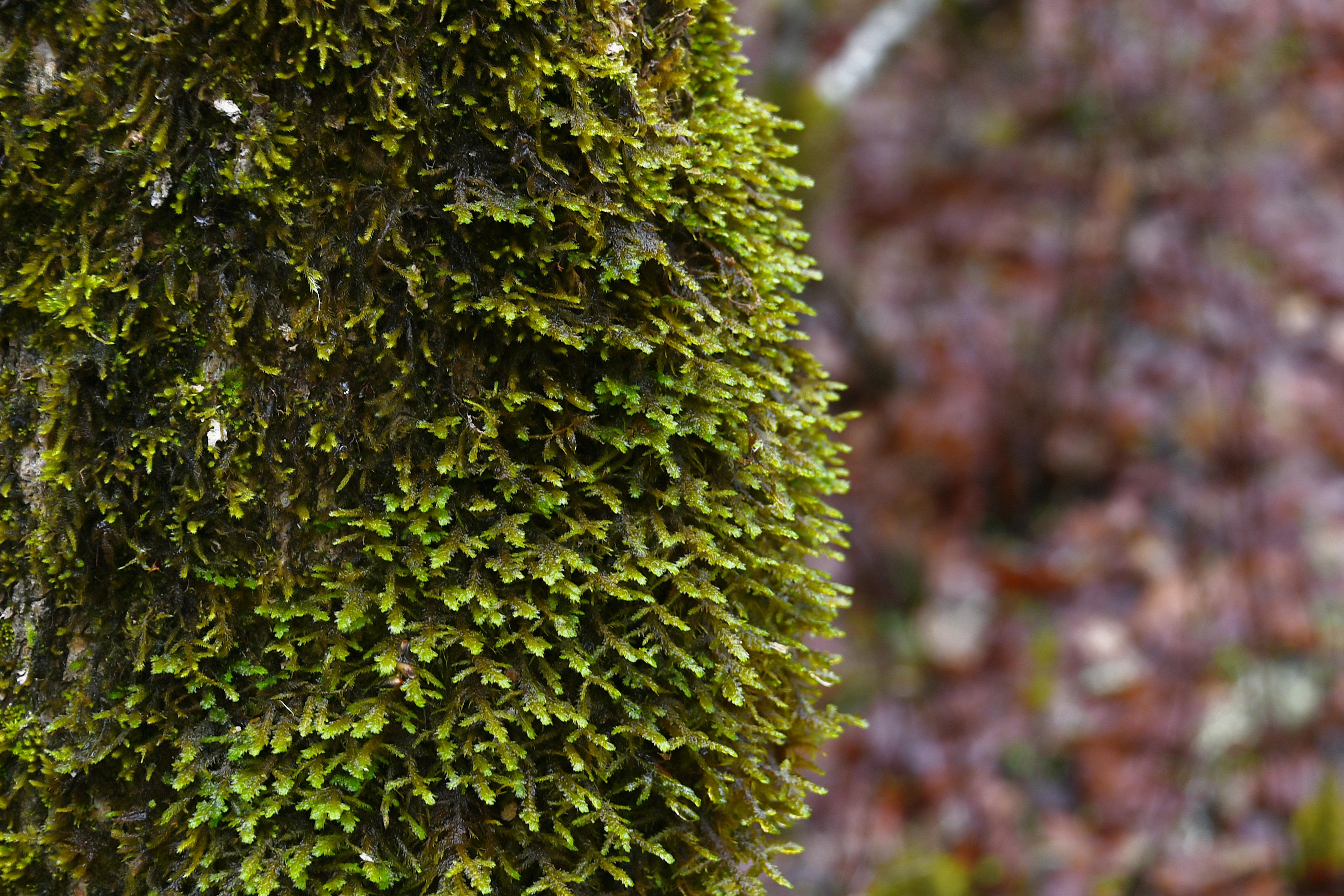
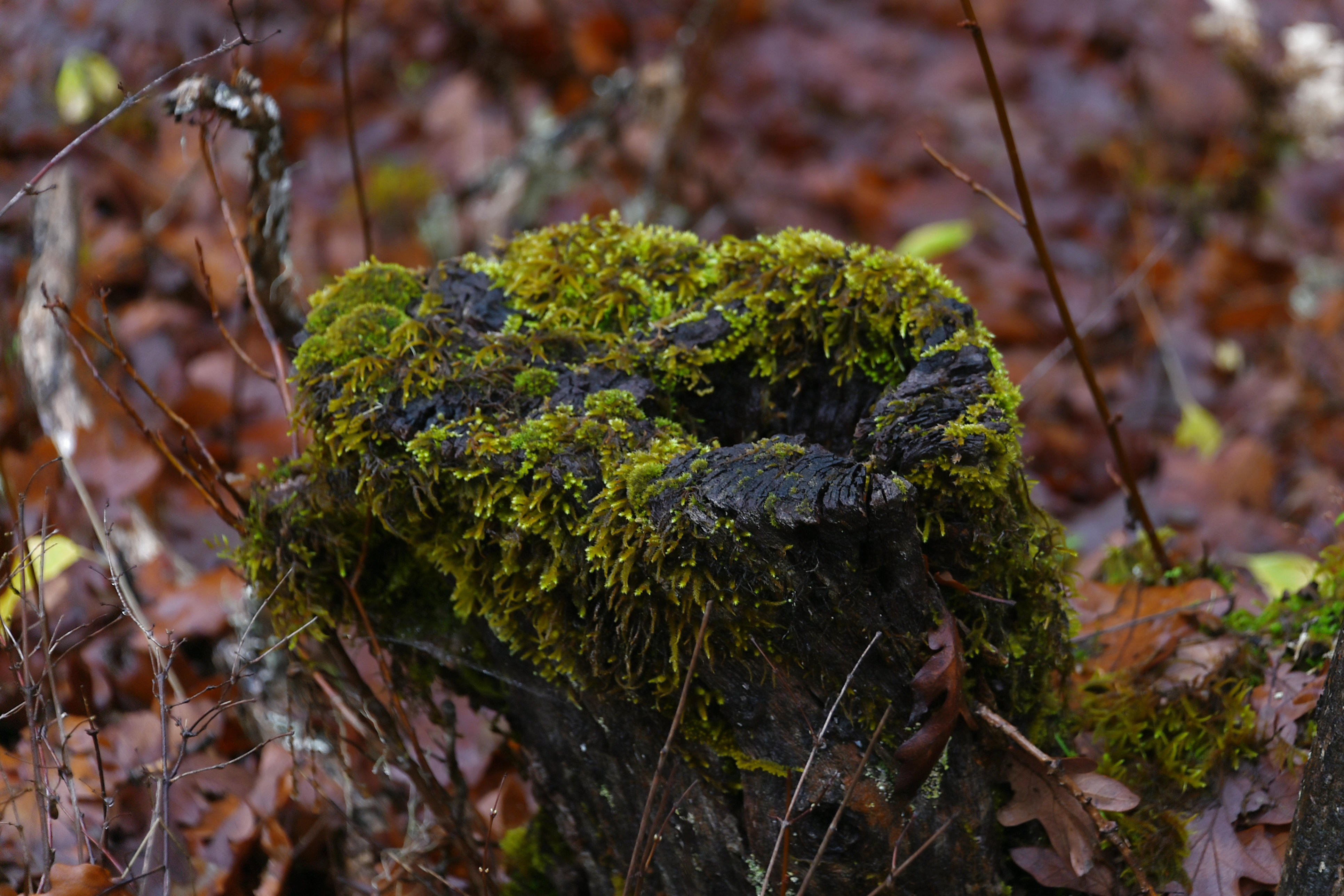
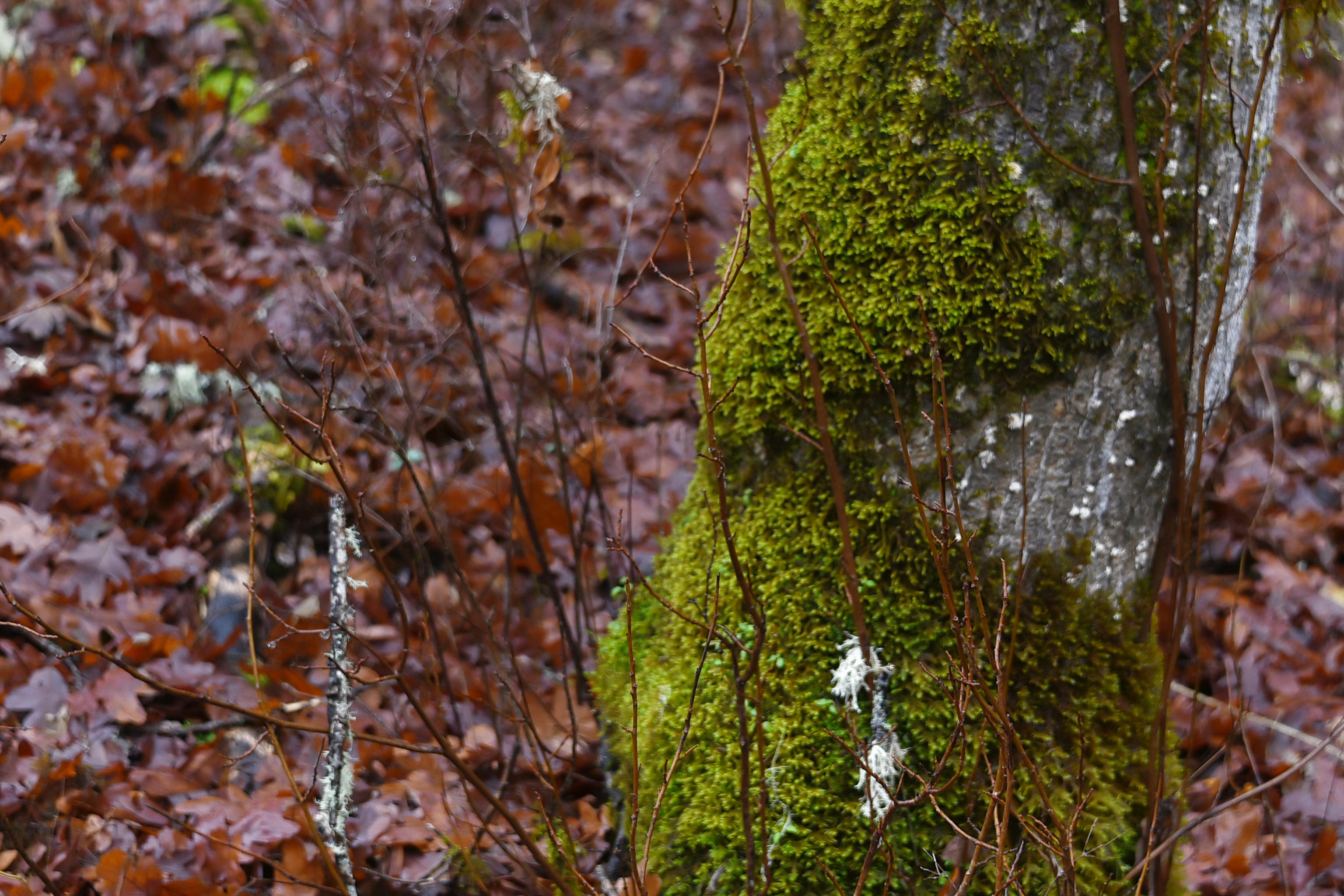
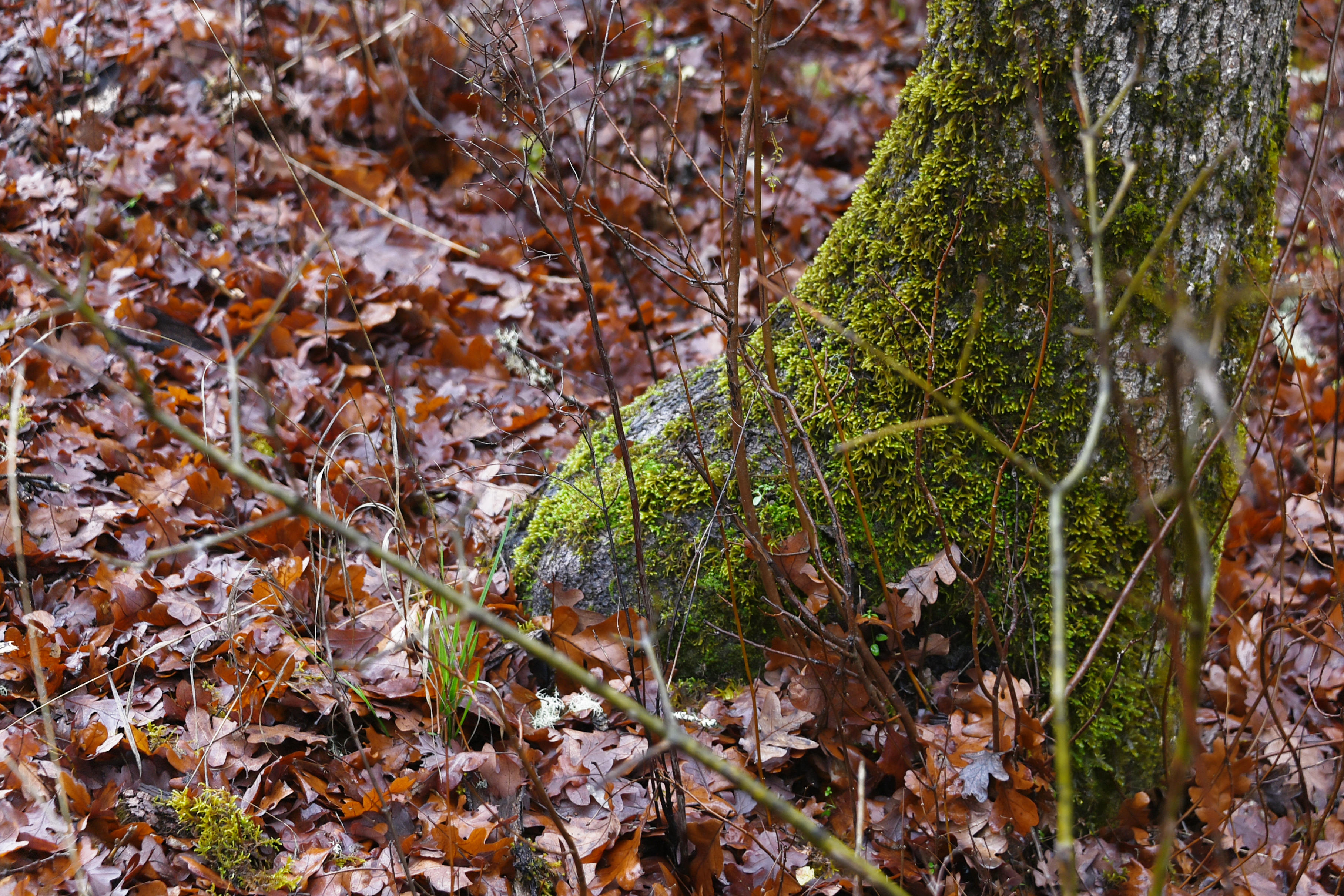
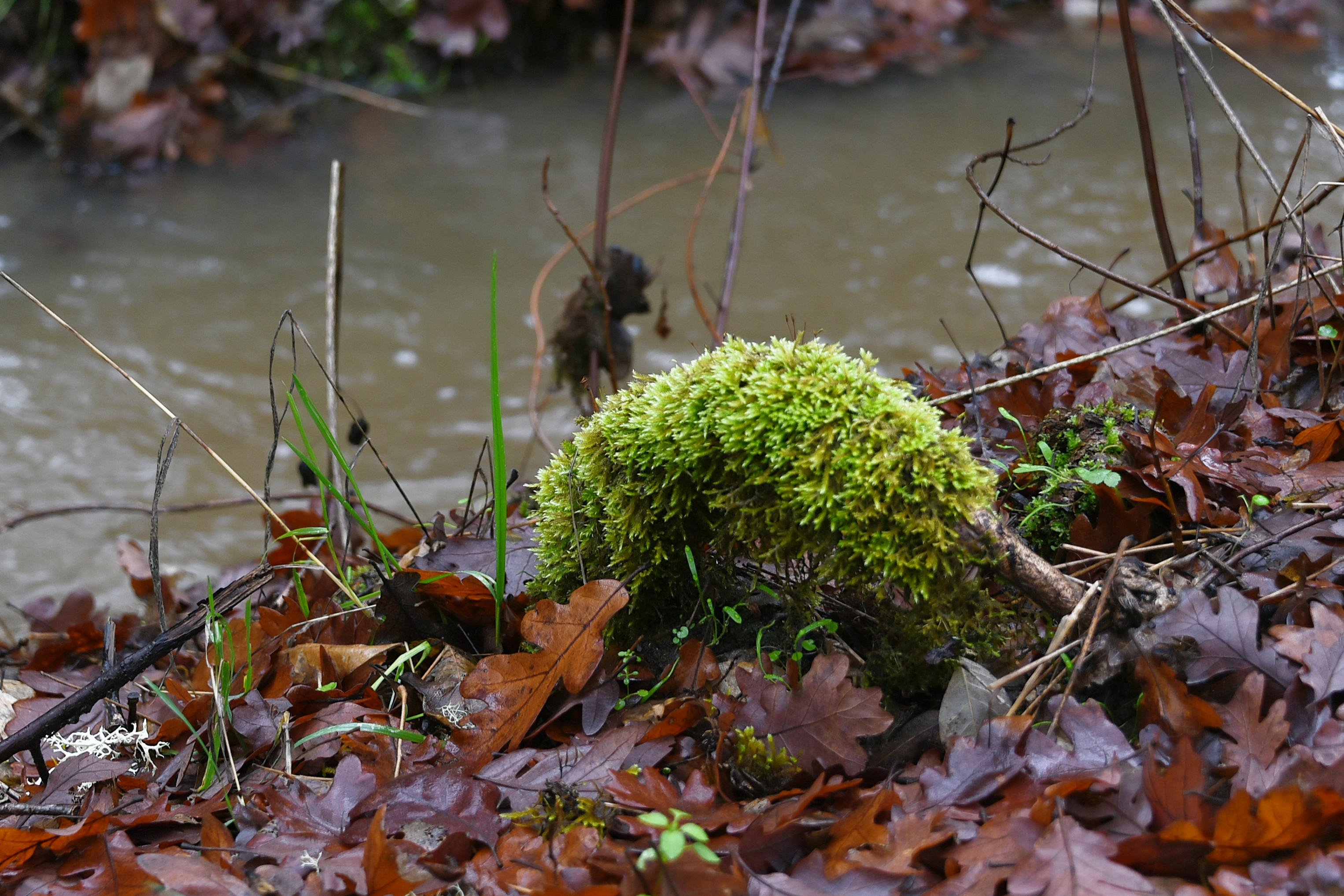
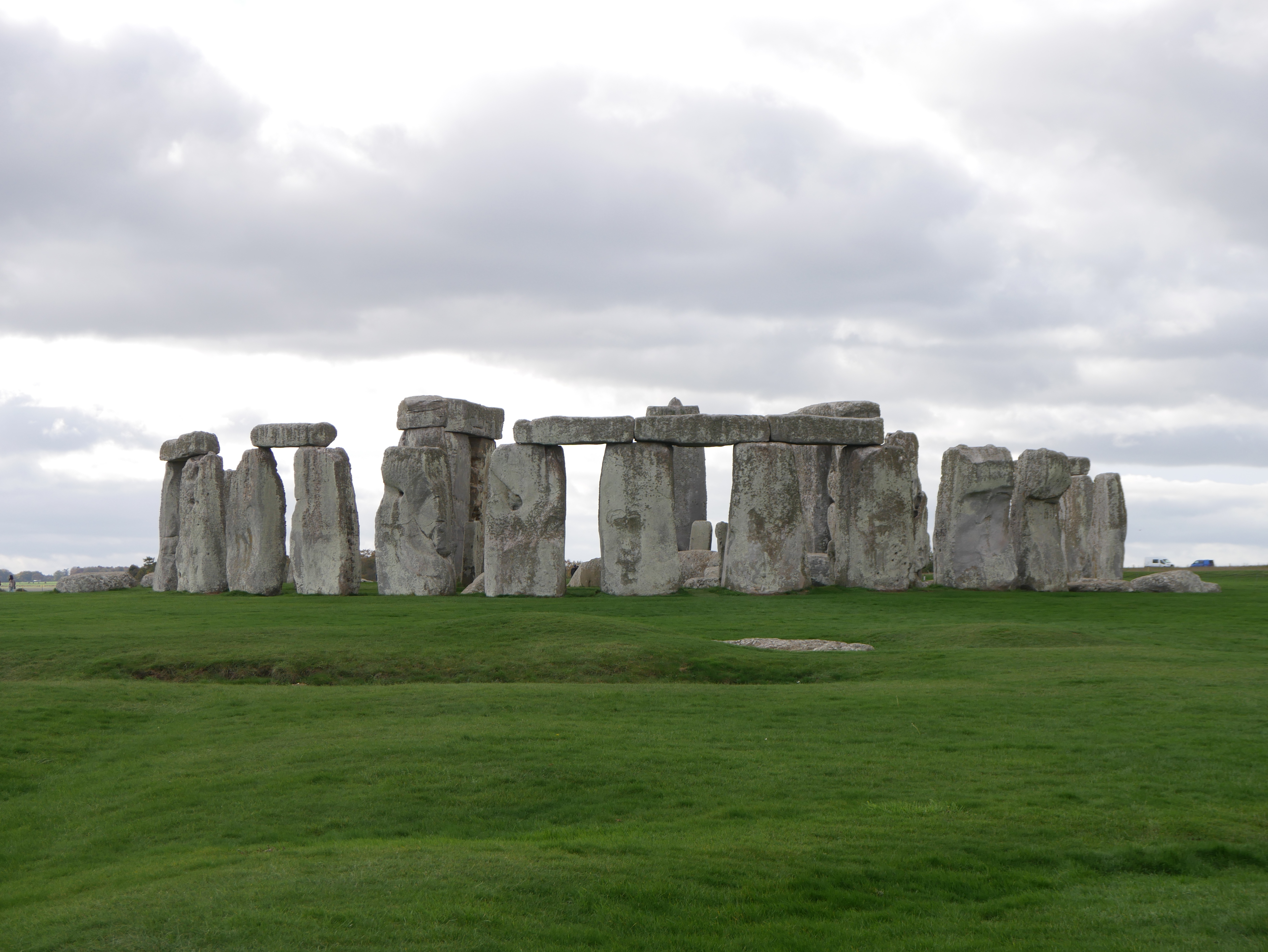
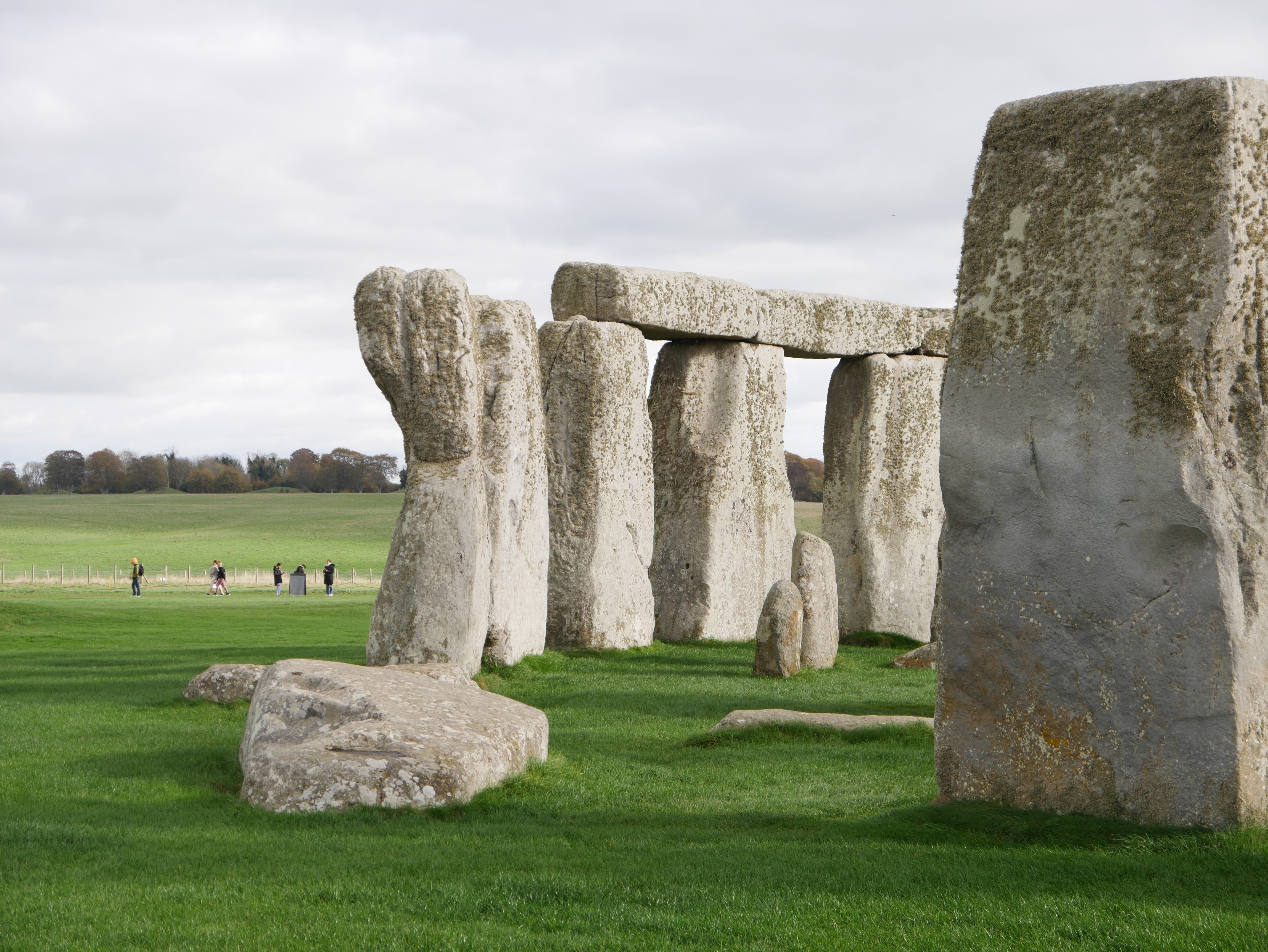
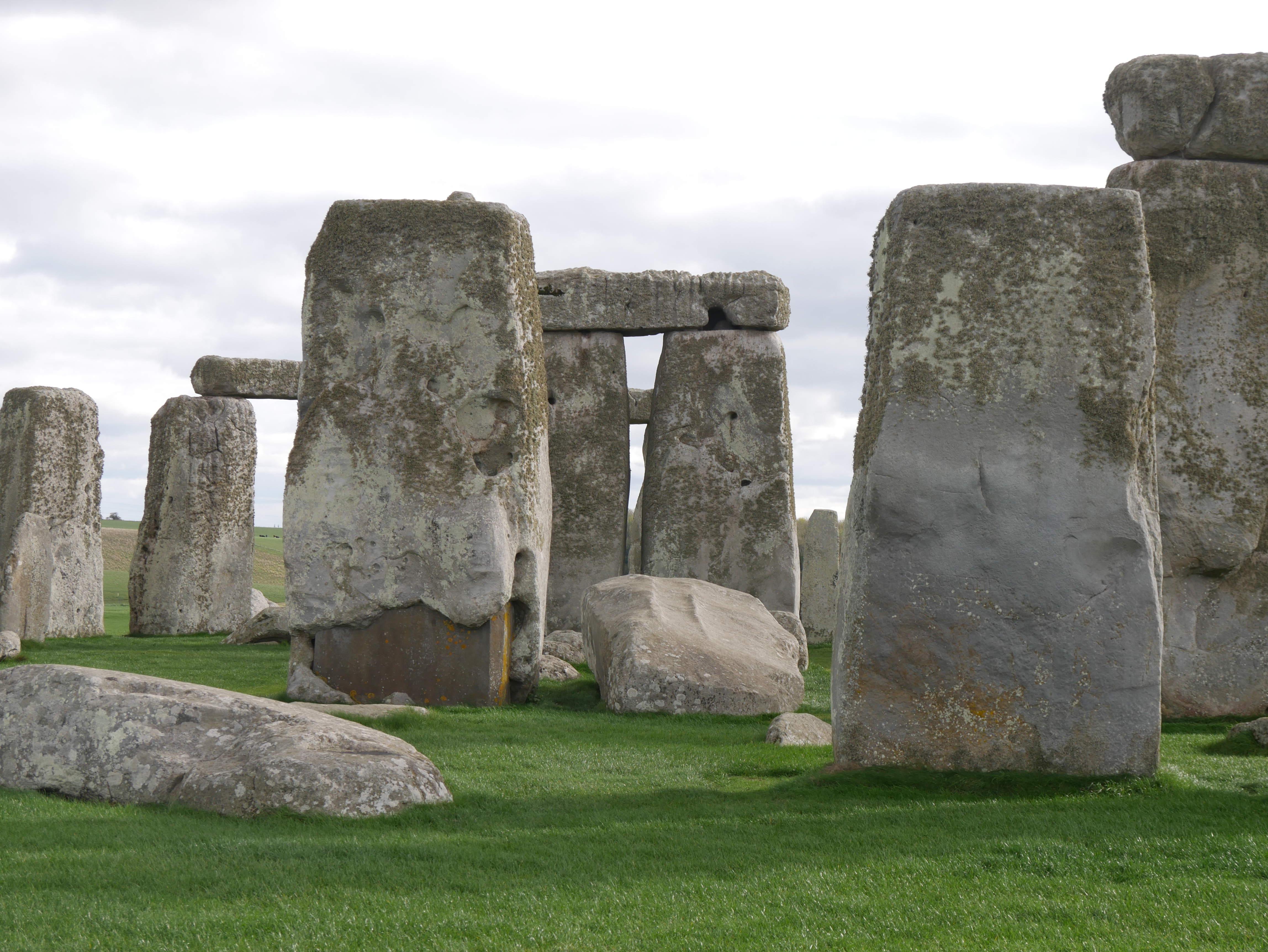
My grandson, Morten, is quite an accomplished photographer. He uses my son’s previous camera, a Lumix DMC G7. Morten is fourteen. These photographs are locations in Southern England.
oooo
oooo
oooo
oooo
Beautiful, Stunning, and Perfect.
It’s stating the obvious but all the above photographs are Copyright 2025 Morten Ronning, and All Rights Are Reserved.
A very ancient event that is still important today.
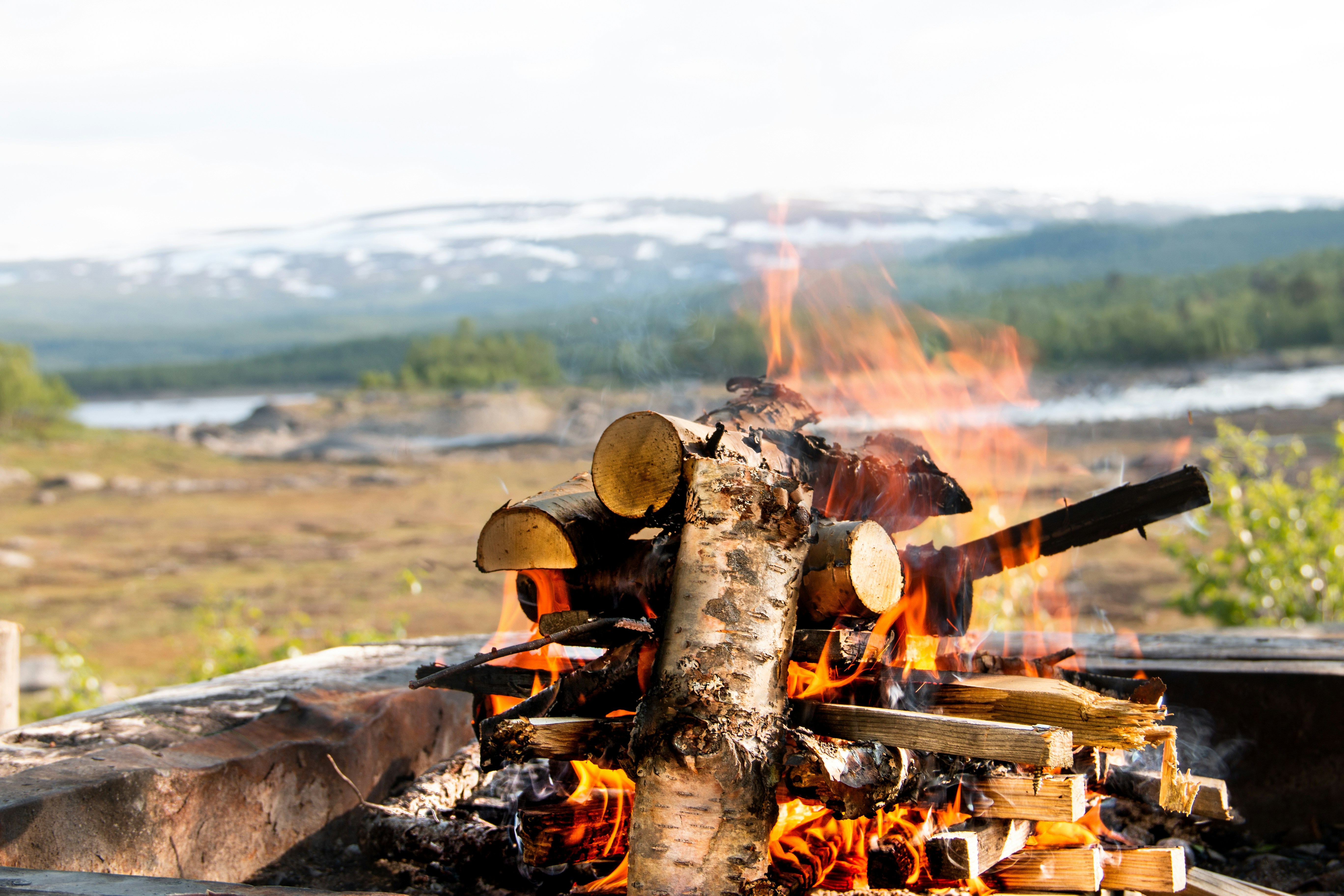
BBC Radio 4 is broadcasting this week a series of programmes under the title of ‘An Almanac for Anxiety: In Search of a Calmer Mind’. The first episode was Fire.
The history of fire circles spans ancient human gathering traditions, modern pagan rituals, and even fire performance art, evolving from basic survival and community building around fire to intentional spiritual circles for healing, transformation, or entertainment, with practices rooted in ancient fire veneration and a recent resurgence of shamanic/Pagan practices in Western culture, notes 4qf.org and Patheos.
An antibiotic discovered on Easter Island in 1964 sparked a billion-dollar pharmaceutical success story. Yet the history told about this “miracle drug” has completely left out the people and politics that made its discovery possible.
Named after the island’s Indigenous name, Rapa Nui, the drug rapamycin was initially developed as an immunosuppressant to prevent organ transplant rejection and to improve the efficacy of stents to treat coronary artery disease. Its use has since expanded to treat various types of cancer, and researchers are currently exploring its potential to treat diabetes, neurodegenerativediseasesandevenaging. Indeed, studies raising rapamycin’s promise to extend lifespan or combat age-related diseases seem to be published almost daily. A PubMed search reveals over 59,000 journal articles that mention rapamycin, making it one of the most talked-about drugs in medicine.
At the heart of rapamycin’s power lies its ability to inhibit a protein called the target of rapamycin kinase, or TOR. This protein acts as a master regulator of cell growth and metabolism. Together with other partner proteins, TOR controls how cells respond to nutrients, stress and environmental signals, thereby influencing major processes such as protein synthesis and immune function. Given its central role in these fundamental cellular activities, it is not surprising that cancer, metabolic disorders and age-related diseases are linked to the malfunction of TOR.
Despite being so ubiquitous in science and medicine, how rapamycin was discovered has remained largely unknown to the public. Many in the field are aware that scientists from the pharmaceutical company Ayerst Research Laboratories isolated the molecule from a soil sample containing the bacterium Streptomyces hydroscopicus in the mid-1970s. What is less well known is that this soil sample was collected as part of a Canadian-led mission to Rapa Nui in 1964, called the Medical Expedition to Easter Island, or METEI.
Unearthing rapamycin’s complex legacy raises important questions about systemic bias in biomedical research and what pharmaceutical companies owe to the Indigenous lands from which they mine their blockbuster discoveries.
History of METEI
The Medical Expedition to Easter Island was the brainchild of a Canadian team comprised of surgeon Stanley Skoryna and bacteriologist Georges Nogrady. Their goal was to study how an isolated population adapted to environmental stress, and they believed the planned construction of an international airport on Easter Island offered a unique opportunity. They presumed that the airport would result in increased outside contact with the island’s population, resulting in changes in their health and wellness.
With funding from the World Health Organization and logistical support from the Royal Canadian Navy, METEI arrived in Rapa Nui in December 1964. Over the course of three months, the team conducted medical examinations on nearly all 1,000 island inhabitants, collecting biological samples and systematically surveying the island’s flora and fauna.
It was as part of these efforts that Nogrady gathered over 200 soil samples, one of which ended up containing the rapamycin-producing Streptomyces strain of bacteria.
It’s important to realize that the expedition’s primary objective was to study the Rapa Nui people as a sort of living laboratory. They encouraged participation through bribery by offering gifts, food and supplies, and through coercion by enlisting a long-serving Franciscan priest on the island to aid in recruitment. While the researchers’ intentions may have been honorable, it is nevertheless an example of scientific colonialism, where a team of white investigators choose to study a group of predominantly nonwhite subjects without their input, resulting in a power imbalance.
There was an inherent bias in the inception of METEI. For one, the researchers assumed the Rapa Nui had been relatively isolated from the rest of the world when there was in fact a long history of interactions with countries outside the island, beginning with reports from the early 1700s through the late 1800s.
METEI also assumed that the Rapa Nui were genetically homogeneous, ignoring the island’s complex history of migration, slavery and disease. For example, the modern population of Rapa Nui are mixed race, from both Polynesian and South American ancestors. The population also included survivors of the African slave trade who were returned to the island and brought with them diseases, including smallpox.
This miscalculation undermined one of METEI’s key research goals: to assess how genetics affect disease risk. While the team published a number of studies describing the different fauna associated with the Rapa Nui, their inability to develop a baseline is likely one reason why there was no follow-up study following the completion of the airport on Easter Island in 1967.
Giving credit where it is due
Omissions in the origin stories of rapamycin reflect common ethical blind spots in how scientific discoveries are remembered.
Georges Nogrady carried soil samples back from Rapa Nui, one of which eventually reached Ayerst Research Laboratories. There, Surendra Sehgal and his team isolated what was named rapamycin, ultimately bringing it to market in the late 1990s as the immunosuppressant Rapamune. While Sehgal’s persistence was key in keeping the project alive through corporate upheavals – going as far as to stash a culture at home – neither Nogrady nor the METEI was ever credited in his landmark publications.
Although rapamycin has generated billions of dollars in revenue, the Rapa Nui people have received no financial benefit to date. This raises questions about Indigenous rights and biopiracy, which is the commercialization of Indigenous knowledge.
The Rapa Nui have received little to no acknowledgment for their role in the discovery of rapamycin. Esteban Felix/AP Photo
Some argue that because the bacteria that produces rapamycin has since been found in other locations, Easter Island’s soil was not uniquely essential to the drug’s discovery. Moreover, because the islanders did not use rapamycin or even know about its presence on the island, some have countered that it is not a resource that can be “stolen.”
However, the discovery of rapamycin on Rapa Nui set the foundation for all subsequent research and commercialization around the molecule, and this only happened because the people were the subjects of study. Formally recognizing and educating the public about the essential role the Rapa Nui played in the eventual discovery of rapamycin is key to compensating them for their contributions.
In recent years, the broader pharmaceutical industry has begun to recognize the importance of fair compensation for Indigenous contributions. Some companies have pledged to reinvest in communities where valuable natural products are sourced. However, for the Rapa Nui, pharmaceutical companies that have directly profited from rapamycin have not yet made such an acknowledgment.
Ultimately, METEI is a story of both scientific triumph and social ambiguities. While the discovery of rapamycin has transformed medicine, the expedition’s impact on the Rapa Nui people is more complicated. I believe issues of biomedical consent, scientific colonialism and overlooked contributions highlight the need for a more critical examination and awareness of the legacy of breakthrough scientific discoveries.
Ted Powers explains in the last paragraph: “Ultimately, METEI is a story of both scientific triumph and social ambiguities.” Then goes on to say: “I believe issues of biomedical consent, scientific colonialism and overlooked contributions highlight the need for a more critical examination and awareness of the legacy of breakthrough scientific discoveries.”
Imagine a healthy forest, home to a variety of species: Birds are flitting between tree branches, salamanders are sliding through leaf litter, and wolves are tracking the scent of deer through the understory. Each of these animals has a role in the forest, and most ecologists would argue that losing any one of these species would be bad for the ecosystem as a whole.
As an ecologist, I’m curious about what these changes mean for ecosystems – can these newly arrived species functionally replace the species that used to be there? I studied this process in eastern North America, where some top predators have disappeared and a new predator has arrived.
A primer on predators
Wolves used to roam across every state east of the Mississippi River. But as the land was developed, many people viewed wolves as threats and wiped most of them out. These days, a mix of gray wolves and eastern wolves persist in Canada and around the Great Lakes, which I collectively refer to as northeastern wolves. There’s also a small population of red wolves – a distinct and smaller species of wolf – on the coast of North Carolina.
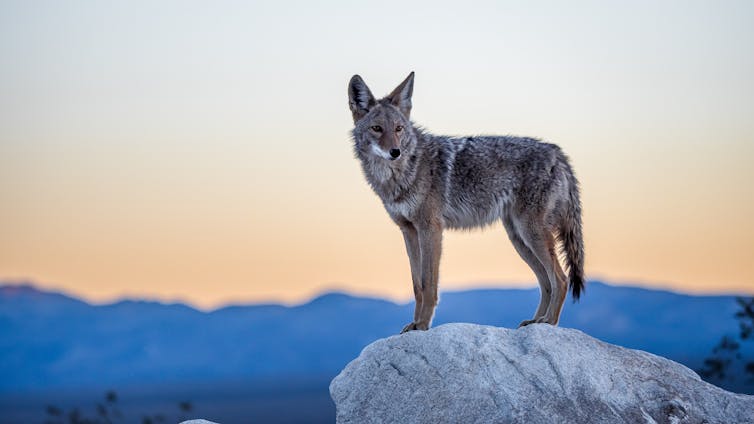
The disappearance of wolves may have given coyotes the opportunity they needed. Starting around 1900, coyotes began expanding their range east and have now colonized nearly all of eastern North America.
Coyotes colonized most of eastern North America in the wake of wolf extirpation. Jensen 2025, CC BY
So are coyotes the new wolf? Can they fill the same ecological role that wolves used to? These are the questions I set out to answer in my paper published in August 2025 in the Stacks Journal. I focused on their role as predators – what they eat and how often they kill big herbivores, such as deer and moose.
What’s on the menu?
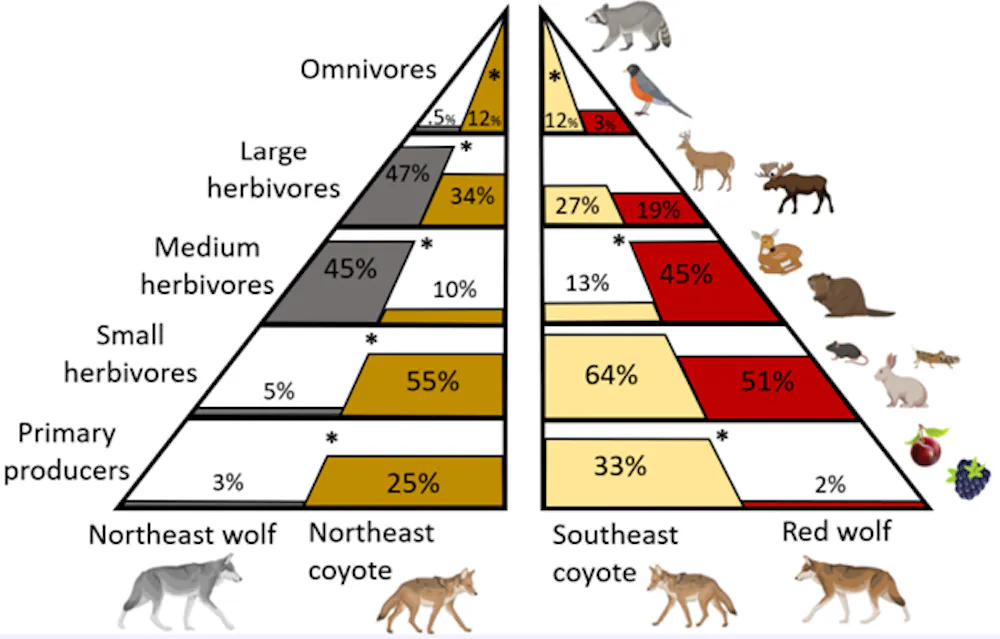
I started by reviewing every paper I could find on wolf or coyote diets, recording what percent of scat or stomach samples contained common food items such as deer, rabbits, small rodents or fruit. I compared northeastern wolf diets to northeastern coyote diets and red wolf diets to southeastern coyote diets.
I found two striking differences between wolf and coyote diets. First, wolves ate more medium-sized herbivores. In particular, they ate more beavers in the northeast and more nutria in the southeast. Both of these species are large aquatic rodents that influence ecosystems – beaver dam building changes how water moves, sometimes undesirably for land owners, while nutria are non-native and damaging to wetlands.
Second, wolves have narrower diets overall. They eat less fruit and fewer omnivores such as birds, raccoons and foxes, compared to coyotes. This means that coyotes are likely performing some ecological roles that wolves never did, such as dispersing fruit seeds in their poop and suppressing populations of smaller predators.
Grouping food items by size and trophic level revealed some clear differences between wolf and coyote diets. Percents are the percent of samples containing each level, and stars indicate a statistically significant difference. Alex Jensen, CC BY
Killing deer and moose
But diet studies alone cannot tell the whole story – it’s usually impossible to tell whether coyotes killed or scavenged the deer they ate, for example. So I also reviewed every study I could find on ungulate mortality – these are studies that tag deer or moose, track their survival, and attribute a cause of death if they die.
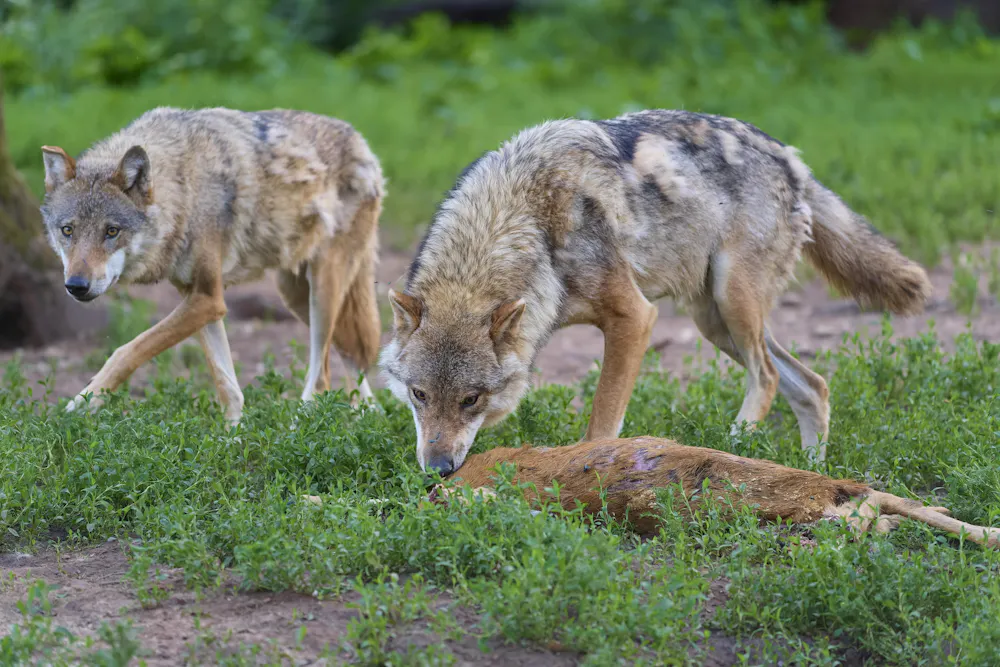
These studies revealed other important differences between wolves and coyotes. For example, wolves were responsible for a substantial percentage of moose deaths – 19% of adults and 40% of calves – while none of the studies documented coyotes killing moose. This means that all, or nearly all, of moose in coyote diets is scavenged.
Coyotes are adept predators of deer, however. In the northeast, they killed more white-tailed deer fawns than wolves did, 28% compared to 15%, and a similar percentage of adult deer, 18% compared to 22%. In the southeast, coyotes killed 40% of fawns but only 6% of adults.
Rarely killing adult deer in the southeast could have implications for other members of the ecological community. For example, after killing an adult ungulate, many large predators leave some of the carcass behind, which can be an important source of food for scavengers. Although there is no data on how often red wolves kill adult deer, it is likely that coyotes are not supplying food to scavengers to the same extent that red wolves do.
So what does this all mean? It means that although coyotes eat some of the same foods, they cannot fully replace wolves. Differences between wolves and coyotes were particularly pronounced in the northeast, where coyotes rarely killed moose or beavers. Coyotes in the southeast were more similar to red wolves, but coyotes likely killed fewer nutria and adult deer.
The return of wolves could be a natural solution for regions where wildlife managers desire a reduction in moose, beaver, nutria or deer populations.
Yet even with the aid of reintroductions, wolves will likely never fully recover their former range in eastern North America – there are too many people. Coyotes, on the other hand, do quite well around people. So even if wolves never fully recover, at least coyotes will be in those places partially filling the role that wolves once had.
Indeed, humans have changed the world so much that it may be impossible to return to the way things were before people substantially changed the planet. While some restoration will certainly be possible, researchers can continue to evaluate the extent to which new species can functionally replace missing species.
So there is a big difference between the Eastern seaboard and the Western States of the USA. We live in the forested part of Southern Oregon but I have never seen a wolf despite Alex Jensen writing that they inhabit this area.
The wolf is a magnificent animal, the forerunner of the dog. I would love to see a wolf!










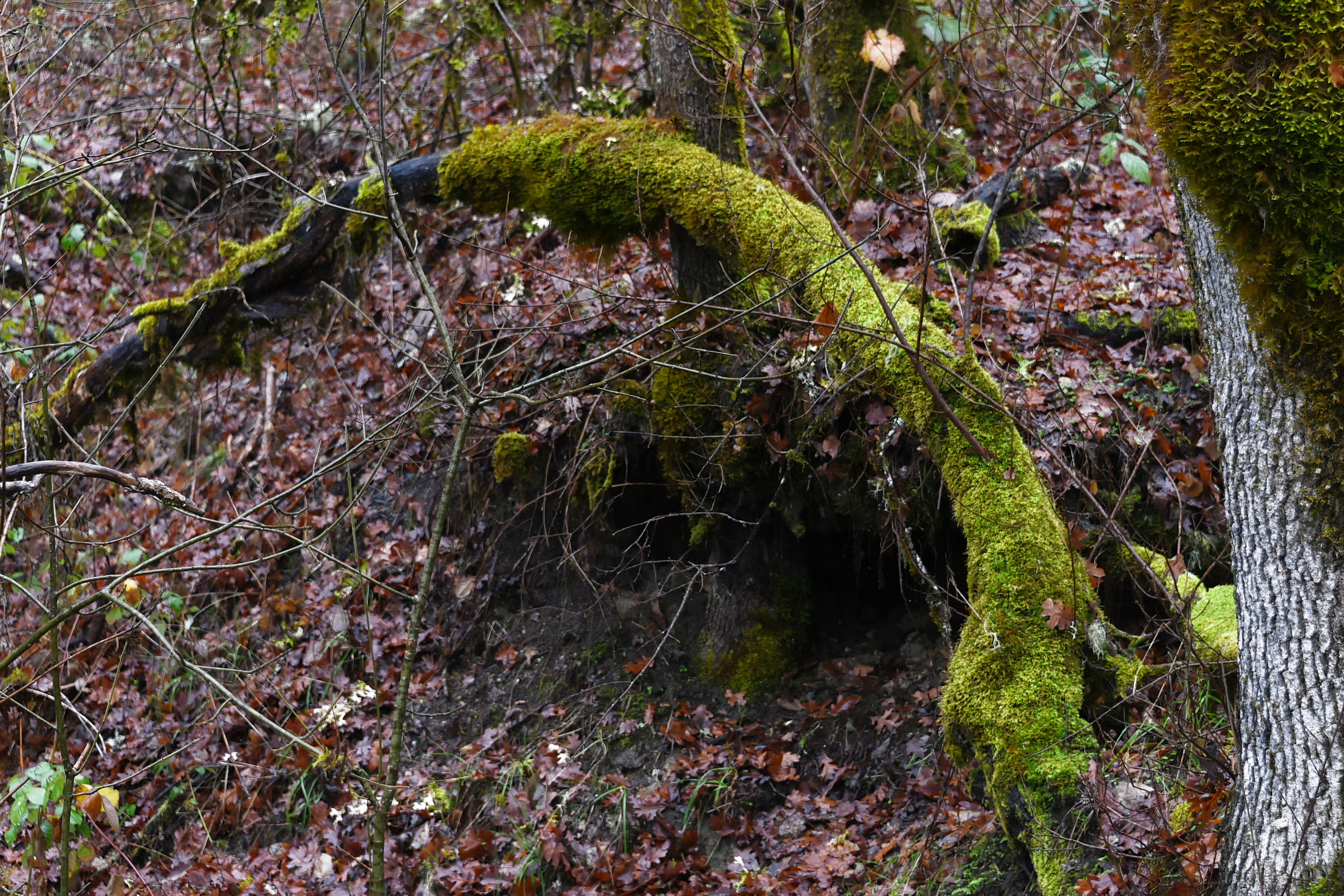
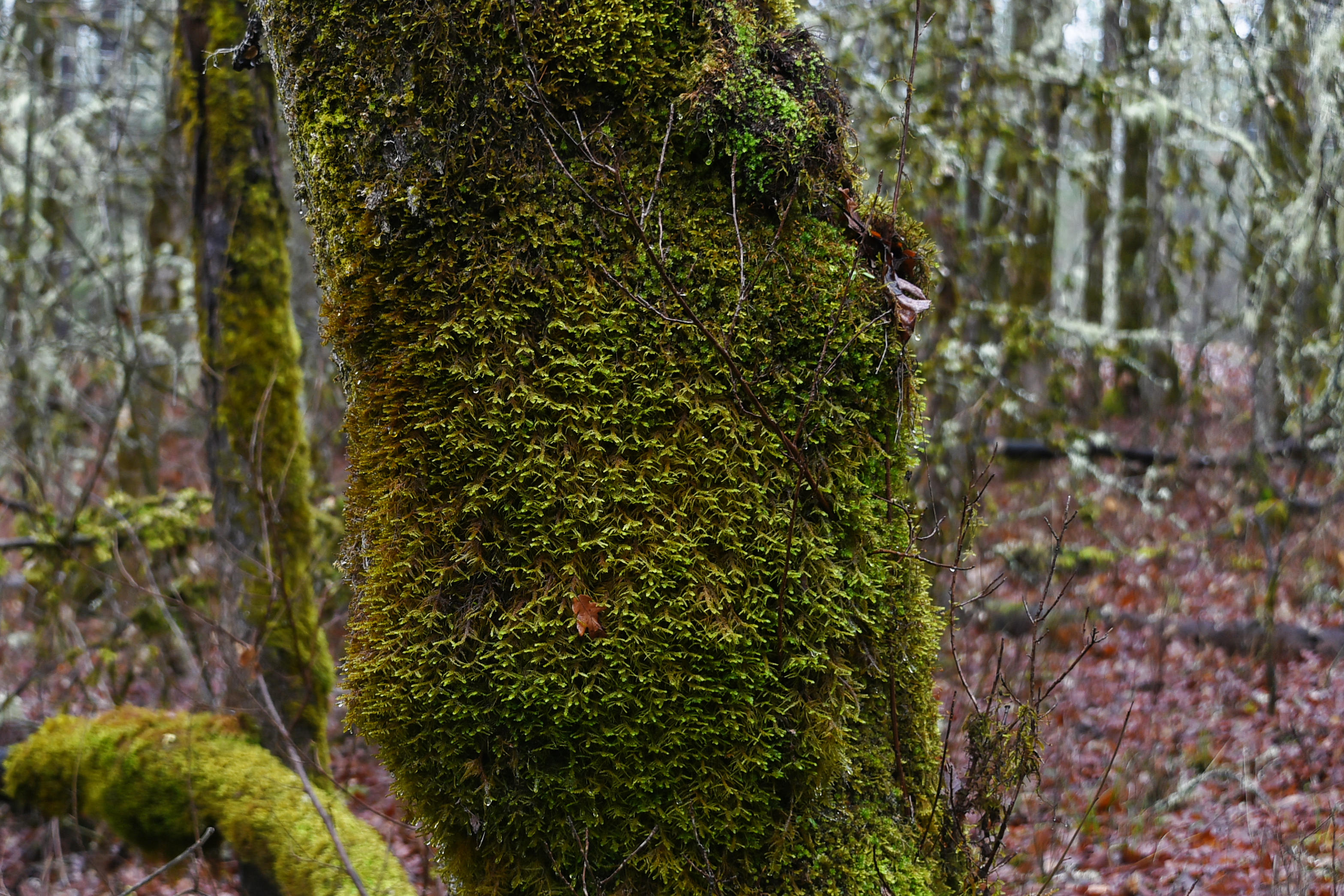
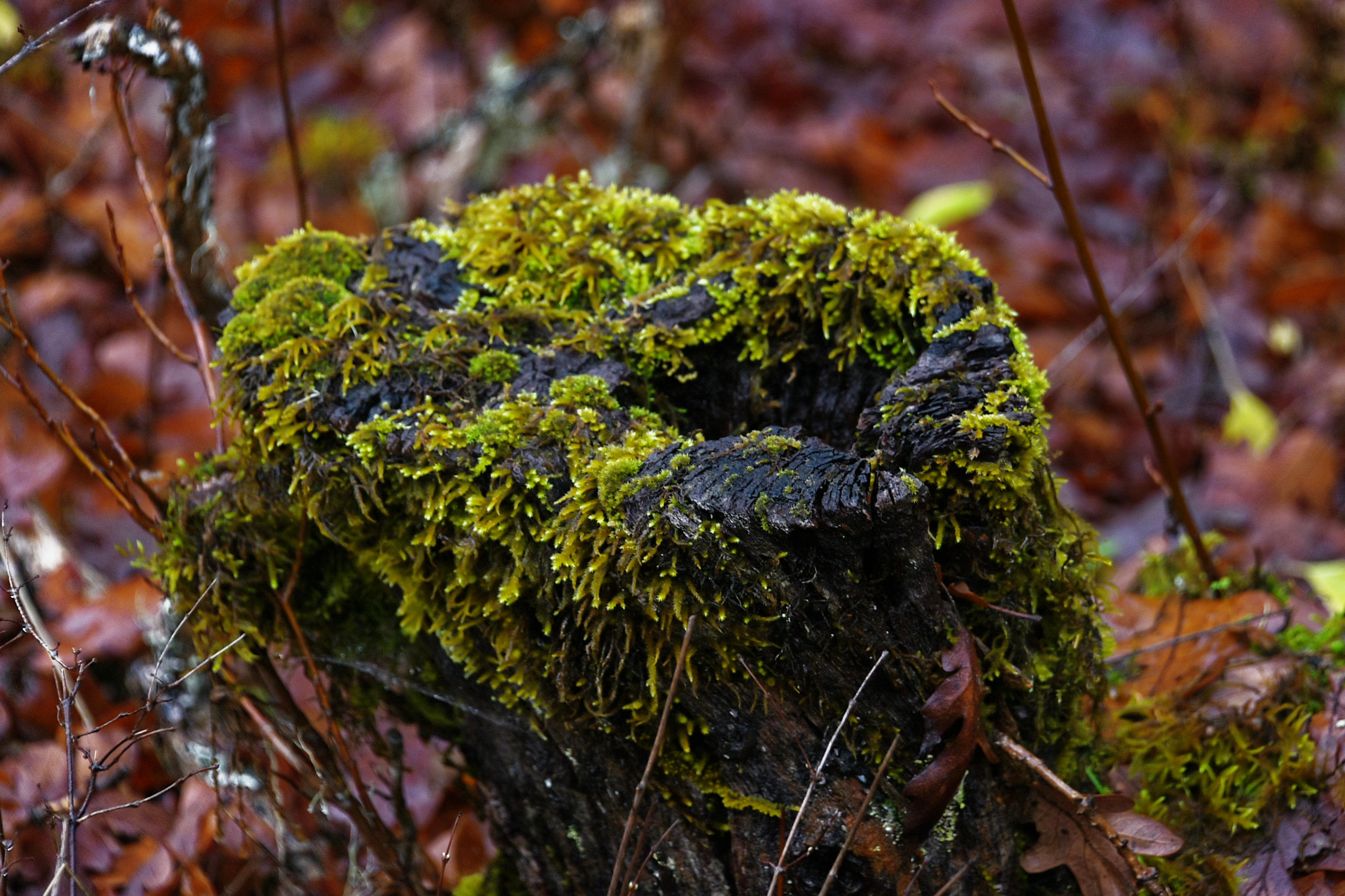
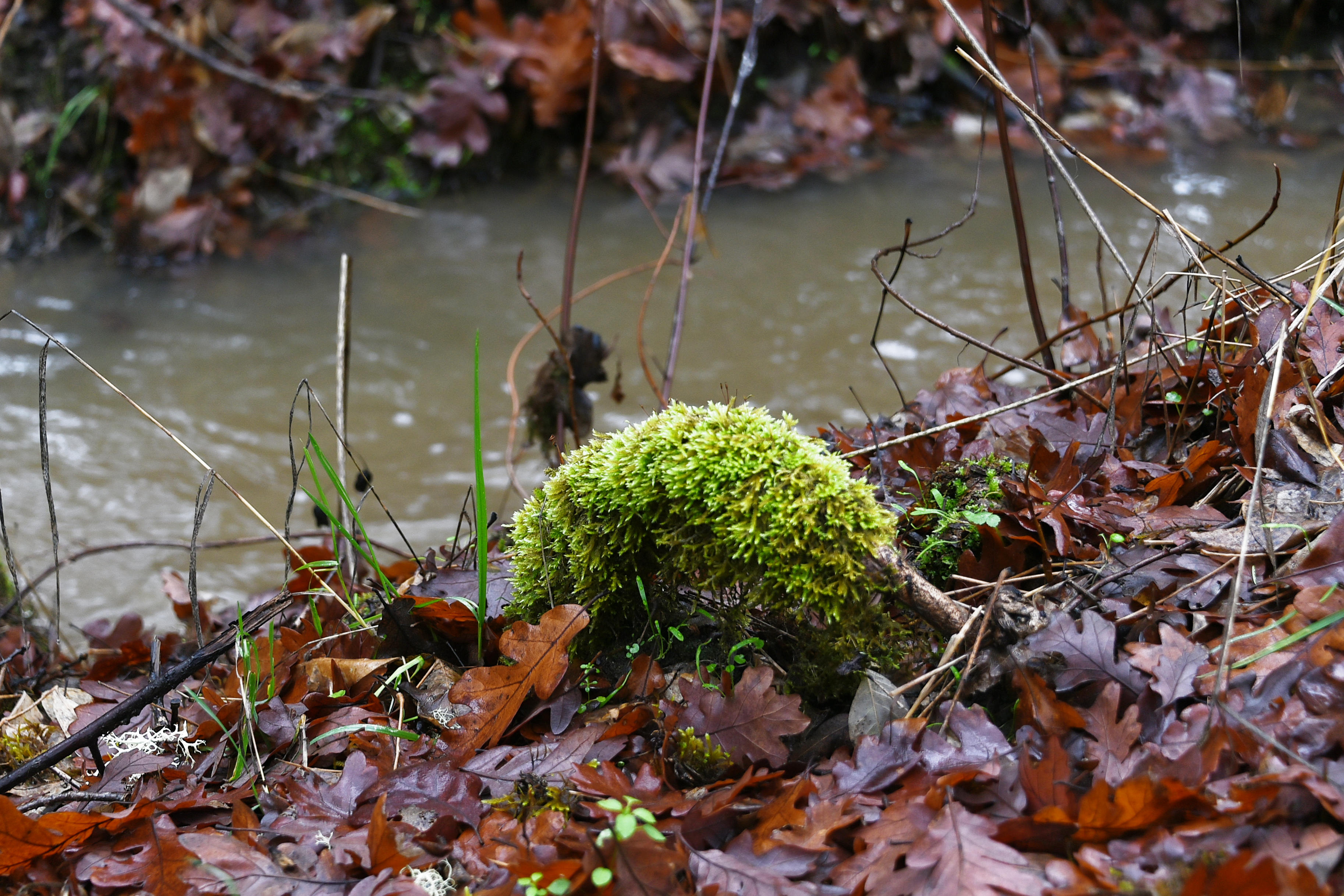


 Learning from Dogs
